Model year record

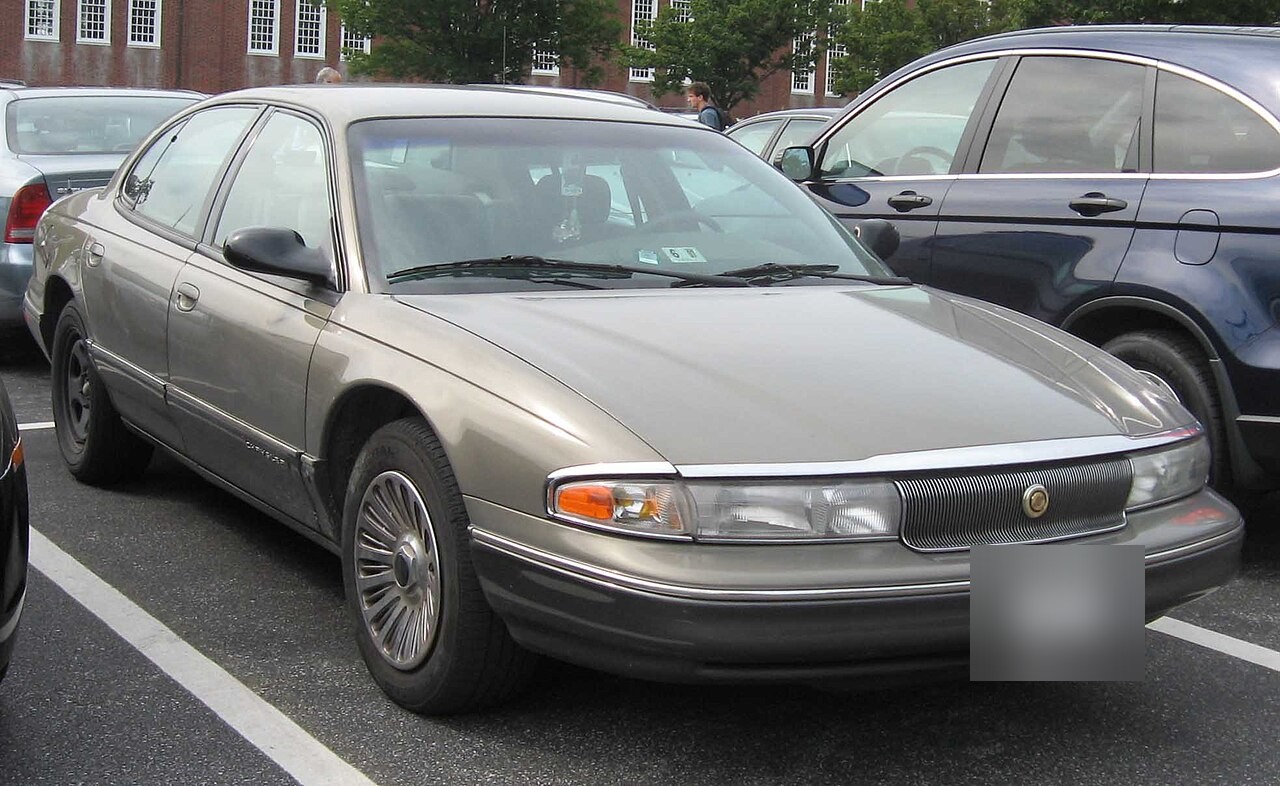
1995 Chrysler NEW Yorker

2 recall campaigns on file for this model year. 74 owner complaints on file.

Chrysler NEW Yorker, 1994–1996 generation
Pictured: the 1994–1996 generation. IFCAR, Public domain · Wikimedia Commons

Recalls

Recall campaignNHTSA 99V215000

Suspension: front: control arm: lower arm

Component
Suspension: front: control arm: lower arm
Manufacturer
DAIMLERCHRYSLER CORPORATION
Vehicles affected
402,830
Reported to NHTSA
1999-08-09
Owners notified
2000-02-07

Defect description

VEHICLE DESCRIPTION: PASSENGER VEHICLES. THE LOWER CONTROL ARM ATTACHING BRACKETS CAN CRACK DUE TO FATIGUE AND SEPARATE FROM THE ENGINE CRADLE.

Safety risk

IF THIS OCCURS, THE TRANSMISSION HALF-SHAFT COULD PULL OUT OF THE TRANSAXLE AND RESULT IN LOSS OF POWER.

Manufacturer remedy

DEALERS WILL REINFORCE THE ENGINE CRADLE AT THE POINT WHERE THE LOWER CONTROL ARM ATTACHES TO IT.

Recall campaignNHTSA 98V184000

Fuel system, gasoline: fuel injection system

Component
Fuel system, gasoline: fuel injection system
Manufacturer
CHRYSLER CORPORATION
Vehicles affected
722,600
Reported to NHTSA
1998-08-06
Owners notified
1999-01-11

Defect description

VEHICLE DESCRIPTION: PASSENGER VEHICLES BUILT WITH 3.5L ENGINES. THE FUEL INJECTION DELIVERY SYSTEM CAN LEAK FUEL FROM SOME OF THE SEALING O-RINGS OR FROM HAIR LINE CRACKS IN THE THERMOSET FUEL INJECTION RAIL.

Safety risk

FUEL LEAKAGE IN THE PRESENCE OF AN IGNITION SOURCE CAN RESULT IN A FIRE.

Manufacturer remedy

DEALERS WILL REPLACE THE FUEL RAIL O-RINGS AND REINFORCE THE OUTLET (PASSENGER) SIDE FUEL RAIL. VEHICLES SHOWING FUEL LEAKAGE ON THE OUTLET FUEL RAIL MUST HAVE THE OUTLET RAIL REPLACED WHICH INCLUDES CHANGING THE UPPER AND LOWER INJECTOR O-RINGS. HOWEVER, IF A VEHICLE IS LEAKING FUEL FROM THE O-RINGS OR FROM A CRACKED FUEL LINE, THE VEHICLE SHOULD BE TAKEN INTO A DEALER TO HAVE THIS REPAIRED AS SOON AS POSSIBLE.

Owner complaints

A complaint is one person's report to a federal agency. It is not a finding.

ComponentComplaintsMedian mileage
Power train: automatic transmission7—
Service brakes, hydraulic: antilock/traction control/electronic limited slip664,000 mi
Fuel system, gasoline: fuel injection system5—
Steering: linkages5—
Air bags: frontal3—
Steering: hydraulic power assist system3—
Steering: linkages: tie rod assembly3—
Steering: rack and pinion3—
Electrical system: ignition2—
Engine and engine cooling: engine2—
Engine and engine cooling: engine: gasoline2—
Engine and engine cooling: exhaust system2—
Equipment: appliance: air conditioner2—
Exterior lighting: headlights273,486 mi
Steering232,427 mi
Suspension: front: wheel bearing2—
Vehicle speed control2—
Electrical system: 12V/24V/48V battery1—
Electrical system: ignition: module1—
Electrical system: wiring: front underhood1—
Exterior lighting: headlights: high/low beam dimmer switch1—
Fuel system, gasoline1—
Fuel system, gasoline: delivery1—
Fuel system, gasoline: fuel injection system: fuel rail1—
Fuel system, gasoline: fuel injection system: injectors1—
Fuel/propulsion system1123,800 mi
Service brakes, hydraulic: foundation components: disc1—
Service brakes, hydraulic: foundation components: drum1—
Service brakes, hydraulic: foundation components: hoses, lines/piping, and fittings1—
Service brakes, hydraulic: foundation components: master cylinder1—
Structure: body: hood: hinge and attachments1—
Suspension1—
Suspension: front1—
Suspension: front: control arm: lower arm1198,000 mi
Tires1—
Visibility: defroster/defogger/hvac system164,000 mi
Visibility: windshield1—
Visibility: windshield wiper/washer1—

The 1994 model has about a quarter as many complaints as this one. The 1996 model has 4 times as many complaints as this one. These figures reflect raw complaint counts, not failure rates. Higher-selling model years naturally receive more complaints.

Other Chrysler NEW Yorker model years

All Chrysler NEW Yorker recalls by year

Safety recall repairs are provided free of charge by franchised dealers, regardless of vehicle age or mileage. This page displays aggregated data for the model year. To check recall status for a specific vehicle, search its VIN at nhtsa.gov.